Everything Dialysis Center Equipment Maintenance publishes on laboratory equipment field service in one place: the full service overview, the related services we provide, and the locations we cover.
This is the index for laboratory equipment field service. If you already know which service you need, go straight to it below; if not, the full overview explains what each one covers.
What laboratory equipment field service involves
The measure of field service is first-visit resolution. A second trip for a part that could have been anticipated is downtime the facility pays for twice.
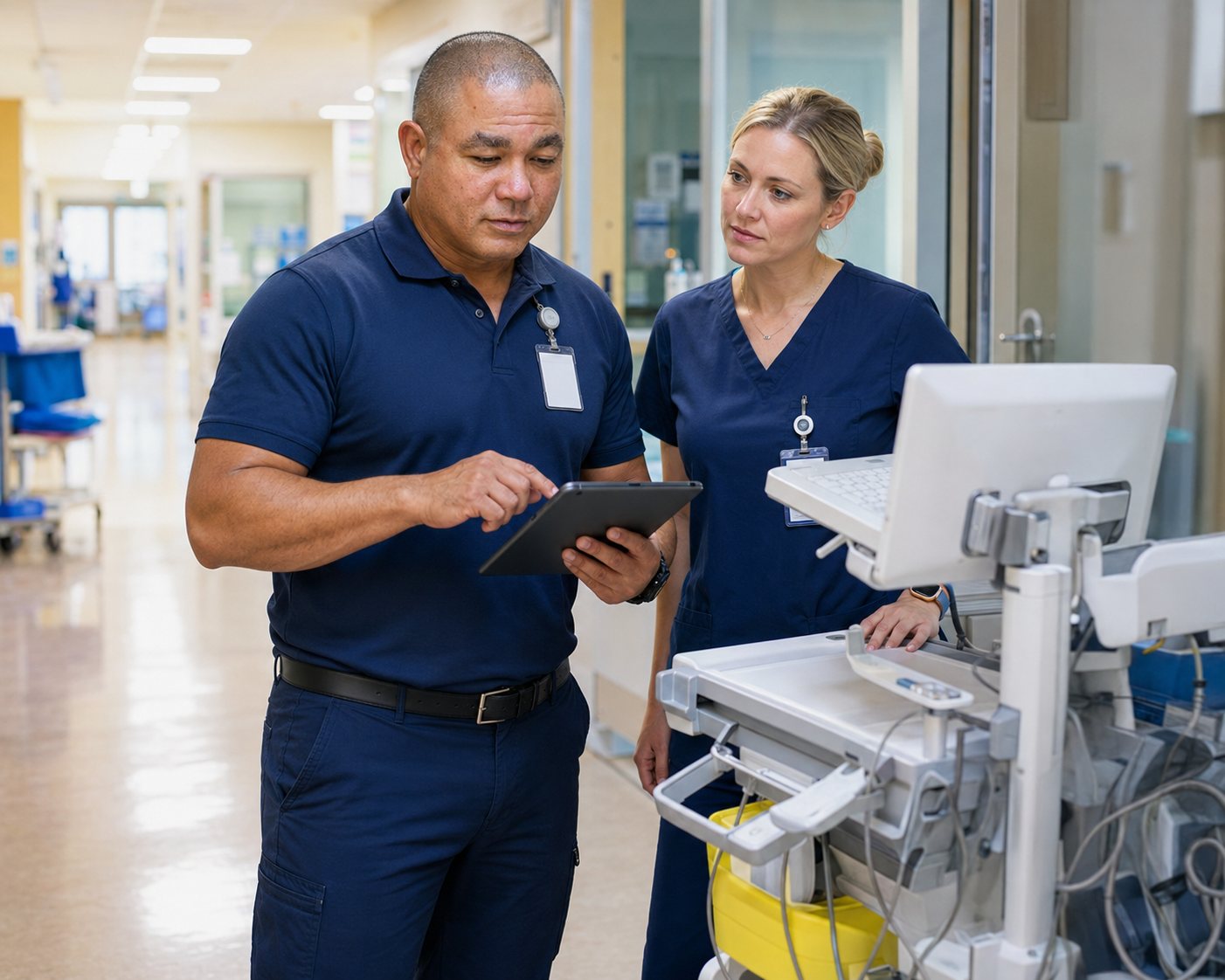
Every visit produces documentation an inspector can read without a translator: what was done, to what standard, by whom, and when it is next due.
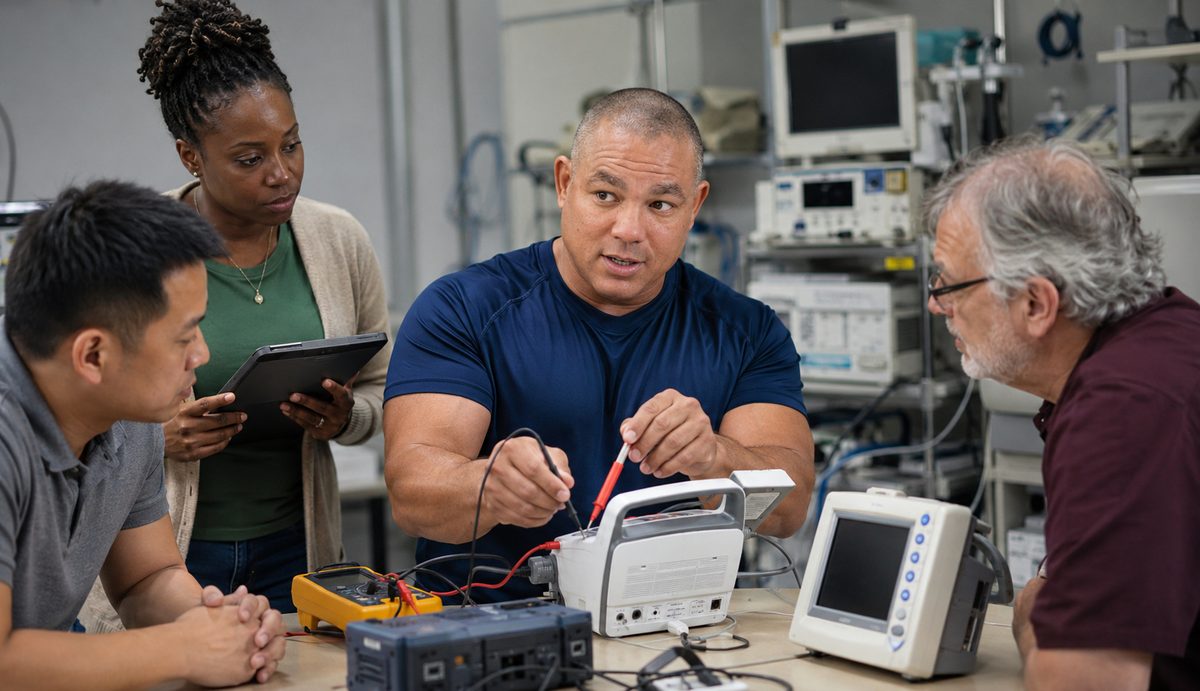
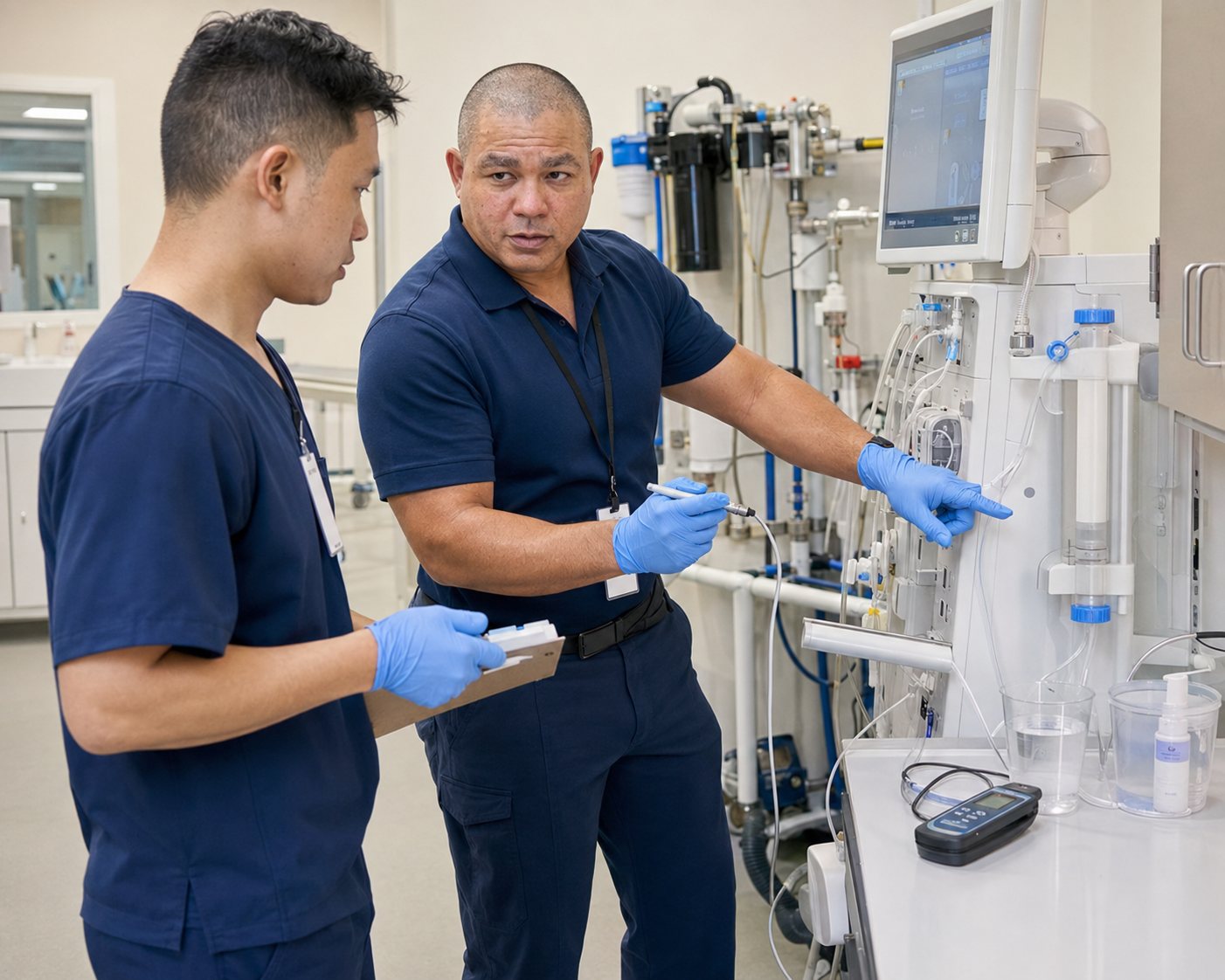
Field service means the technician comes to the equipment, which is the right model for devices that cannot leave the department without cancelling a day's work. It puts a premium on arriving prepared.
On-site work has to fit around clinical operations rather than the other way round. Scheduling around the theatre list is part of the job, not a favour.
Work is performed to manufacturer specification and the applicable regulatory standard, and the record says which one was applied.
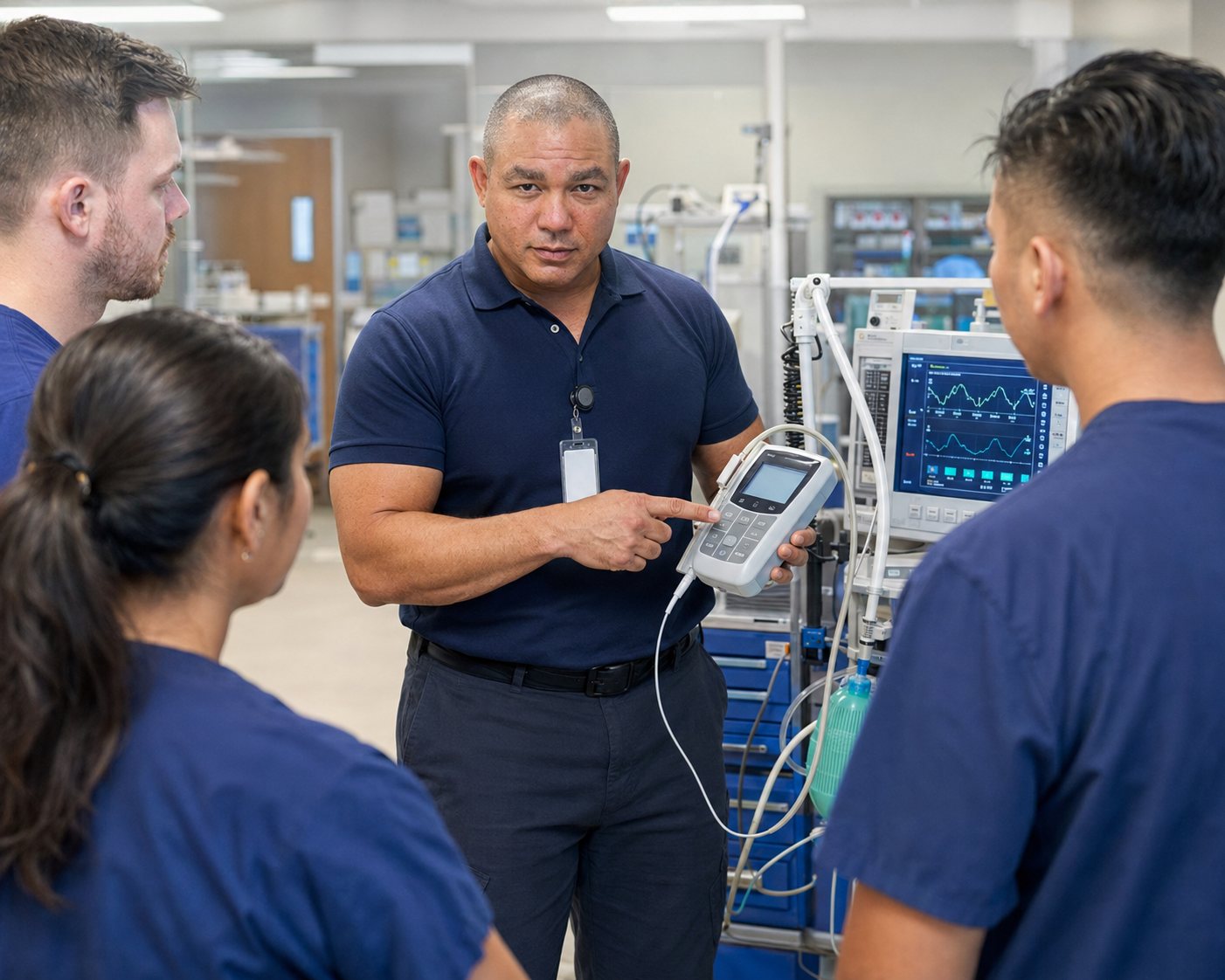
Technicians are qualified for the equipment they touch, and the qualification is on file rather than asserted.
Findings are reported plainly, including the ones that mean a device should be taken out of service.
On-site work has to fit around clinical operations rather than the other way round. Scheduling around the theatre list is part of the job, not a favour.
What to expect
Scope is written down before the work begins, including what is excluded. Most disputes about equipment service are really disputes about scope that nobody put in writing.
Why the record matters
Service records are read at the worst possible moment - after an incident, during an accreditation survey, in discovery. That is the audience they should be written for, which means legible, specific and dated rather than signed off in bulk.
Quotes are specific to the equipment in front of you. The scope is agreed before the work is quoted, not after it is done.
Laboratory Equipment Field Service News & Industry Insights
Current developments in laboratory equipment field service, with sources for further reading.
Uptime Is a Patient-Safety Metric, Not Just an Ops Number
For laboratory equipment field service, downtime can mean delayed care. Dialysis Center Maintenance treats reliability as a clinical priority for facilities.
Laboratory Equipment Field Service Standards Tighten: What Facilities Should Know
Regulators and standards bodies continue to raise the bar on laboratory equipment field service. Dialysis Center Maintenance keeps clients ahead of the curve with standards-based service and audit-ready documentation.
Aging Equipment Raises the Stakes for Laboratory Equipment Field Service
As installed devices age, laboratory equipment field service becomes mission-critical. Dialysis Center Maintenance helps facilities extend equipment life safely and plan capital replacement with confidence.
Right-Sizing PM Programs Keeps Laboratory Equipment Field Service Affordable
Not every device needs the same cadence. Dialysis Center Maintenance tunes laboratory equipment field service to real risk and usage so facilities spend where it counts.